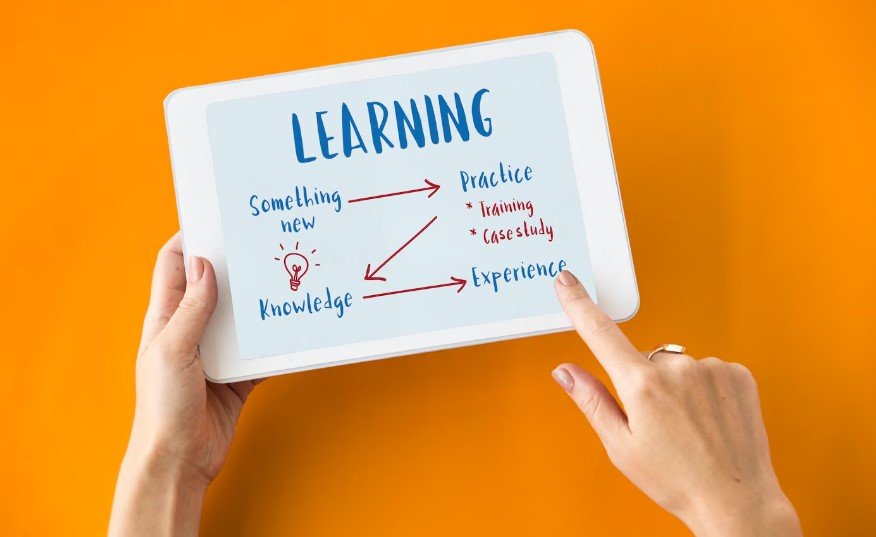
Introduction to Education Technology
Education technology, also known as EdTech, refers to the integration of digital tools, software, and platforms to enhance the learning experience. In recent years, education technology has rapidly transformed classrooms by making learning more interactive, personalized, and accessible. It offers innovative solutions to traditional challenges in education, such as limited resources, outdated methods, and unequal access to quality learning. Understanding how education technology is revolutionizing the classroom helps educators, students, and parents embrace the future of learning.
Enhancing Engagement and Interactivity
One of the most significant ways education technology is transforming classrooms is by increasing student engagement. Interactive tools, such as smartboards, digital simulations, and virtual reality (VR), make learning more engaging and immersive. Students can actively participate in lessons rather than passively receiving information. For example, VR can take students on virtual field trips to historical sites, scientific labs, or even outer space, making complex topics more relatable and memorable. Interactive platforms also allow for immediate feedback, enabling students to track their progress and stay motivated.
Personalized Learning Experiences
Education technology enables personalized learning, which tailors lessons to the individual needs of students. Adaptive learning software and learning management systems (LMS) assess students’ strengths and weaknesses and adjust the pace and difficulty of lessons accordingly. Tools like these allow students to progress at their own speed, ensuring that no one is left behind. Whether a student needs extra help in a particular subject or challenges to stay engaged, EdTech ensures that every learner has the resources to succeed.
Access to Resources and Learning Materials
With education technology, classrooms are no longer confined to textbooks and paper resources. Online platforms provide access to a wide range of digital content, such as video lectures, eBooks, podcasts, and research databases. Students can access resources from anywhere and at any time, breaking down geographical and financial barriers to education. This access to global learning materials enables teachers to incorporate diverse perspectives and teaching methods, enriching the classroom experience.
Collaboration and Communication Tools
Education technology facilitates collaboration among students, even when they are not physically in the same classroom. Tools like Google Classroom, Microsoft Teams, and other LMS platforms allow students to work together on projects, share ideas, and communicate with teachers in real time. Collaborative tools help students develop essential skills such as teamwork, communication, and problem-solving. They also provide teachers with a more efficient way to track group work, manage assignments, and provide feedback.
Gamification in Learning
Gamification is the integration of game elements, such as points, rewards, and challenges, into the learning process. Education technology leverages gamification to make learning more fun and motivating. Platforms like Kahoot! and Quizlet use quizzes and games to reinforce lessons and help students test their knowledge. Gamification creates a dynamic classroom atmosphere where students are encouraged to reach milestones and achieve their learning goals, making education both enjoyable and effective.
Bridging the Gap with Remote Learning
The COVID-19 pandemic highlighted the importance of remote learning, and education technology made this transition possible. Virtual classrooms, video conferencing, and cloud-based collaboration tools allowed students to continue learning from home while staying connected with teachers and peers. These tools not only enabled education during the pandemic but also helped bridge gaps for students in underserved areas who may not have access to quality in-person education. Today, hybrid learning models that combine in-person and online education are becoming more common, thanks to advancements in education technology.
Data-Driven Insights for Teachers
Education technology provides teachers with data-driven insights to inform their teaching methods. Analytics from LMS platforms and digital assessments help teachers identify patterns in student performance, such as areas where students struggle or excel. These insights enable educators to adjust their teaching strategies to better meet the needs of their class. Teachers can use this data to create more effective lesson plans, provide targeted interventions, and enhance the overall learning experience.
Teacher Professional Development
Technology is not only for students—it also plays a significant role in enhancing the professional development of teachers. Online courses, webinars, and digital resources allow teachers to continue their education and stay updated on the latest teaching strategies and technologies. Education technology also enables teachers to network with colleagues worldwide, share best practices, and collaborate on projects. This access to continuous learning empowers educators to improve their skills and offer more effective teaching methods.
The Future of Education Technology
The future of education technology is full of possibilities. As AI, machine learning, and data analytics continue to evolve, education technology will become even more personalized and intelligent. AI-powered tutoring systems, for example, could offer real-time assistance to students, guiding them through lessons and providing tailored feedback. Augmented reality (AR) and VR may become more widely used, further enhancing the immersive learning experience. With the continued development of these technologies, the classroom will become a more dynamic, interactive, and inclusive space.
Conclusion
Education technology is revolutionizing the classroom by making learning more engaging, personalized, and accessible. Through interactive tools, gamification, remote learning, and data-driven insights, EdTech is transforming how students learn and how teachers teach. As technology continues to evolve, the potential for innovation in education is limitless. Embracing education technology not only enhances the learning experience but also prepares students for the challenges and opportunities of the future. By integrating EdTech into the classroom, we are creating a more inclusive, effective, and engaging education system for all

